
NIMBUS ALOFT
My Aviation Stories
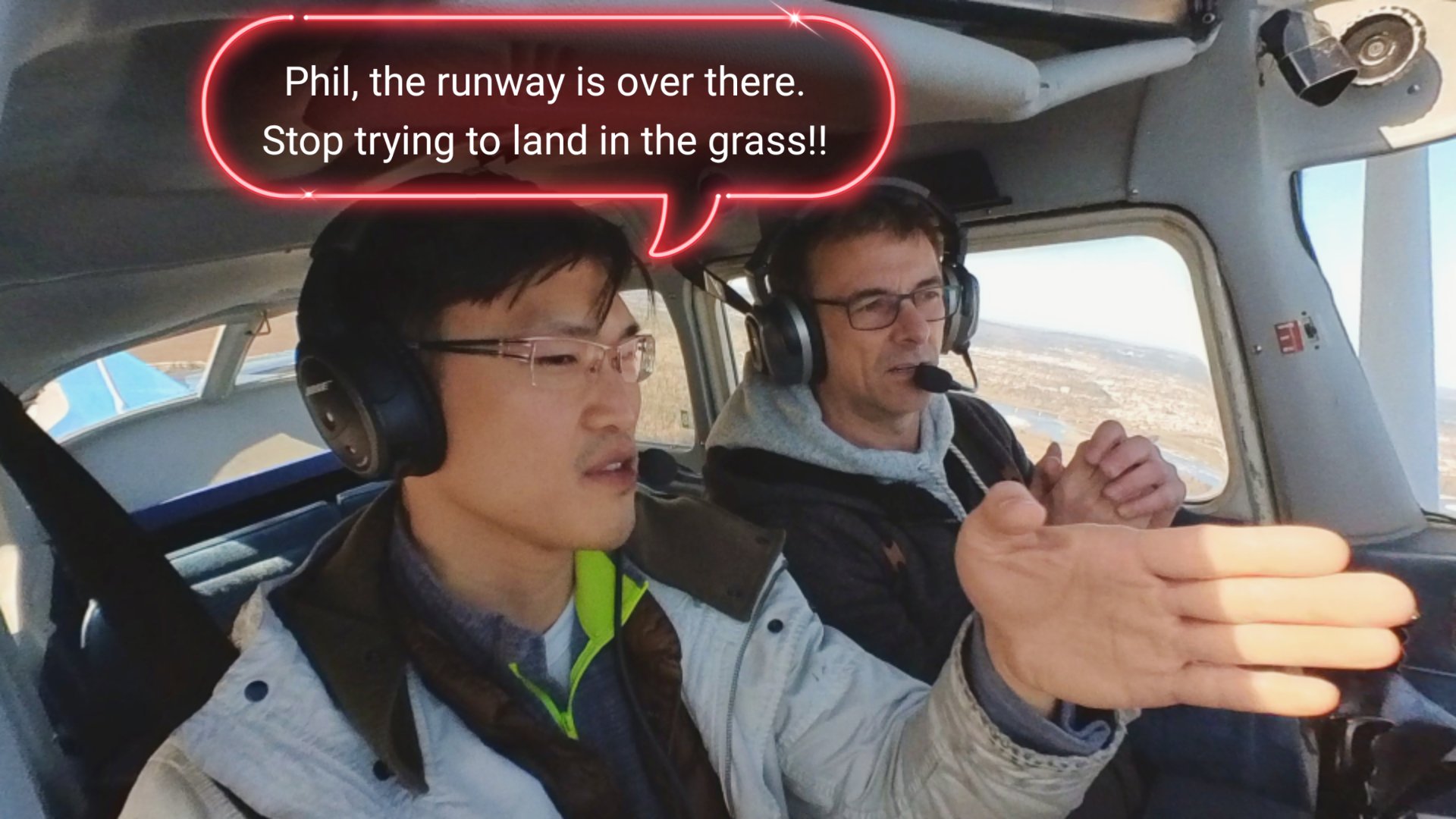

Every flight instructor has a unique teaching style that shapes how student pilots learn and progress. Whether you’re a certified flight instructor (CFI) looking to improve your teaching methods or a student pilot trying to understand your instructor better, recognizing different instructing styles can transform the flight training experience. So, what type of flight instructor are you?
Recently I rewatched The Rookie on Netflix. There was one episode where Sergeant Grey was giving John Nolan some advice on becoming a training officer (TO) in the LAPD. He said there are 4 types of TO: kings, coaches, teachers, and slugs.
- Kings are the “my way or the highway” type.
- Coaches offer motivation.
- Teachers always want to explain everything.
- Slugs are doing it for the pay bump (while not interested in training the rookie).
This immediately made me think of what type of instructor I am. Obviously I’m not a slug. As most flight instructors know, we are at the bottom of the food chain. We experience a pay deficit more than a pay bump.
The King Instructor
I had an instructor during my Private Pilot License training who falls into the King category. He kept telling me what to do and how to fly rather than teaching and explaining why. It was frustrating. At the end of those flights, I didn’t understand why I had to do what I did. He was also an angry person, making it difficult to approach him when I had questions. Fortunately, I only had 2 flights with him. Learning from him wasn’t a pleasant experience.
I hope all instructors out there aren’t like this. Sadly, you’ll find them everywhere. If you are training with an instructor with the King attitude, I recommend you change to another instructor or even switch to a different school. At the end of the day, you are a paying customer. You shouldn’t be a punching bag for someone else’s bad day.
The Coach Instructor
I am a big fan of Coaches. Motivation is very important in aviation, especially when students are going through a slump. That being said, I feel it is possible to over-motivate students. Over-motivating can lead to overconfidence, which will in turn give students a false sense of security. Striking the right balance is key in maintaining both motivation and safety.
✈️ Quick Tip for Student Pilots: If your flight instructor’s teaching style doesn’t match your learning style, speak up! A professional flight instructor will appreciate the feedback and adjust their approach. If they don’t, it might be time to find an instructor who’s a better fit.
The Teacher Instructor
I am accused of being too much of a Teacher type. I’ve written about this before – I like to explain things with as much detail as I can fit in within the allocated time. It was fine at the beginning when students were new to the topic. Over time, feedback from my students is that I talk too much. Although they say they do appreciate me explaining (a nice way of letting me down), they prefer less prompting as the training goes along. Long story short, they pretty much just want me to keep my mouth shut.
The Slug Instructor
As for slugs, it doesn’t really apply to flight instructors at flight schools in the traditional sense. We don’t get promoted to this position and receive a pay bump—we have to pay to get trained to be in this position. The closest equivalent I can think of are flight instructors who are there solely to build hours. They’re not really interested in teaching. Once the lesson is done, they’re gone. Once they feel they’re poorly treated at the flight school, they’re gone. Once they have a better opportunity elsewhere, they’re gone—for good this time.
However, you may see slugs in commercial operations where their position is “Training Captain.” They got the pay bump, they don’t teach well, and they only got the position because the organization needed the Training Captain role filled urgently. These are the instructors doing it purely for the extra money, with little investment in actually developing the next generation of pilots.
Finding Your Instructing Style
There is no hard rule for you to pick one category. I think the best way to refine your instructing skills is to ask your students for feedback. You can always mix and match the different categories to fit your students’ personality and learning style.
Frequently Asked Questions About Flight Instructor Types
Q: What makes a good flight instructor?
A good flight instructor adapts their teaching style to match their student’s learning needs, balances motivation with safety, and creates a supportive learning environment. The best flight instructors mix elements of coaching and teaching while avoiding the “my way or highway” approach. They’re also approachable, patient, and genuinely invested in their students’ success.
Q: How do I know if I should change flight instructors?
If your instructor is consistently angry, dismissive of questions, or makes you feel uncomfortable, it’s time to switch. Warning signs include: lack of preparation for lessons, inability to explain concepts clearly, making you feel stupid for asking questions, or creating an environment where you dread flying. A good student-instructor relationship is built on mutual respect, clear communication, and steady progress toward your aviation goals.
Q: Can a flight instructor change their teaching style?
Absolutely! The best instructors actively seek student feedback and adapt their approach throughout training. As students progress from private pilot to more advanced ratings, effective flight instructors naturally shift from detailed explanations to more coaching and observation. Mixing coaching, teaching, and motivational techniques based on each student’s current needs and experience level is the hallmark of an experienced flight instructor.
Understanding your instructing style is the first step toward becoming a more effective flight instructor. Whether you lean toward being a coach, teacher, or a mix of both, the key is staying flexible and responsive to your students’ needs. King instructors who refuse to adapt will struggle to build lasting relationships, while instructors who actively seek feedback and adjust their approach will see their students thrive.
What type of instructor are you? Or what type of instructor do you want to be? Share your thoughts in the comments below—I’d love to hear about your experiences as either an instructor or a student pilot.
Want to read more about my journey as a flight instructor? Check out my posts on how to do a perfect circuit that I have been teaching my students. Or my terrible experience instructing in winter.
Feel free to drop a comment on any post or DM me on Instagram for a chat.